Beyond One-Way Texts: A Guide to Better Patient Communication
Not long ago, I received a text from my pharmacy: “Schedule your vaccine here.” I thought, "Great, this will be easy." It wasn’t.
The text included a link to a scheduling page, but I had a quick question before booking. I did what felt most natural — I replied to the text. The response was silence. The system didn’t accept replies. There was no guidance, no option for human support, just a digital dead end.
For me, it was a minor frustration. For many patients, especially older adults or those with accessibility challenges, this kind of communication gap is a significant barrier to receiving care. The outcome? I put off scheduling my appointment, and the pharmacy lost a chance to provide timely care. This friction wastes time for everyone and can lead to lower patient adherence. Pharmacies and other healthcare providers are trying to modernize communication, but many are falling short. It's time to move beyond simple, one-way messaging and build a system that truly serves patients.
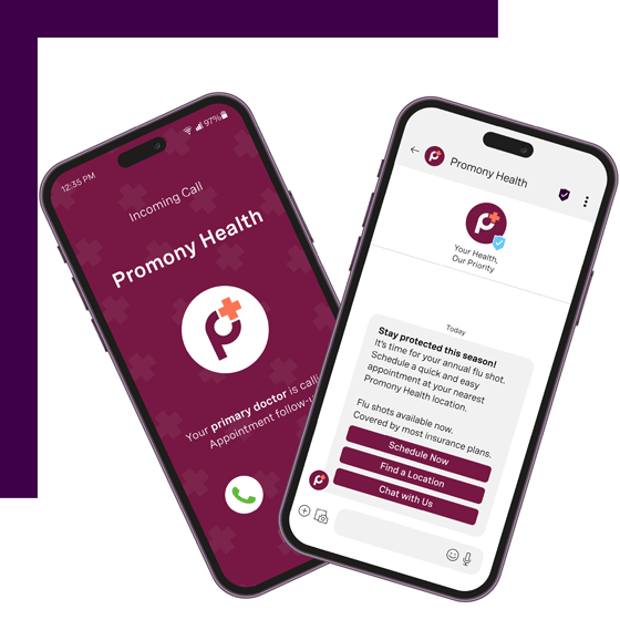

The limits of unidirectional messaging
Most text messages sent by pharmacies are purely one-way. They are designed to deliver information, not start a conversation. This model creates a frustrating experience when patients need more than just a notification.
When patients have questions or need assistance, their options are limited and often inconvenient:
Click a link blindly: They have to hope the landing page has the answer they need, which often requires navigating a complex interface.
Call the pharmacy: This forces them to switch channels, wait on hold, and repeat information, turning a task that should take seconds into a multi-minute ordeal.
This communication breakdown doesn't just annoy patients, it has real business consequences — missed appointments, decreased patient loyalty, and an overwhelmed administrative staff fielding calls that could have been handled through a simple text exchange. The core issue is that these systems are built around the message, not the patient.
A patient-first, interactive approach
To fix this broken communication model, pharmacies need to adopt an interactive, human-focused messaging strategy. This means creating a seamless experience that meets patients where they are and provides the help they need, right within the conversation.
Here’s how to build a better system.
Personalize every interaction
Effective communication starts with understanding the patient. By leveraging a 360-degree patient profile, you can tailor every message to their specific needs. Instead of generic blasts, messages can reflect their medical history, communication preferences, and previous interactions.
A personalized approach shows patients you see them as individuals, not just numbers in a database. This builds trust and makes them more likely to engage with your communications.
Make messaging an interactive experience
Modern messaging technology can transform a simple text into a dynamic, app-like experience. Rich Communication Services (RCS), for example, allows you to embed interactive elements directly into a text message.
With an interactive messaging platform, patients can:
View and select available appointment slots instantly
Watch a short educational video about a vaccine or medication
Ask a question and get an immediate answer right in the message thread
This turns a passive notification into an active, engaging conversation that empowers patients to take the next step without leaving the messaging app.
Offer human-like, AI-powered support
The goal is to provide immediate, helpful support that feels natural. AI agents can be instrumental in achieving this. They can answer common questions, guide patients through the scheduling process, and handle other routine tasks 24/7.
For patients who prefer to speak, Voice AI offers a conversational alternative. They can call the pharmacy and talk naturally to an AI agent that understands their intent and can assist with their request.
Crucially, the system must allow for a seamless handoff to a human agent when needed. When a conversation is escalated, the human agent should have the full context of the prior AI interaction, so the patient doesn’t have to repeat themselves. Features like branded calls and verified sender IDs also help build trust, assuring patients that the communication is legitimate.
Close the loop securely
Patient interactions often involve sensitive information and financial transactions. A robust communication platform must handle these securely.
Silent Authentication can verify a patient’s identity without requiring them to enter passwords, protecting their information from fraud. Once an appointment is scheduled, any necessary copay or insurance transactions can be handled smoothly and securely within the same workflow, completing the patient journey in a single, unified experience.
Easily increase customer engagement
Accelerate ramp up time — conveniently build your own flexible experience, or use a ready-made application with Vonage messaging solutions:
Conversations for Salesforce: Keep the customer conversations going — and maintain continuity — through SMS, RCS, and WhatsApp from the Salesforce Marketing, Service, and Sales Clouds.
Conversational Connect: Add a plug-and-play marketing automation solution to help you create, launch, and scale personalized messaging campaigns.
Messages API: Access SMS, MMS, RCS, WhatsApp, and other popular social chat apps within a single API.
Why better communication matters
The limitations of one-way messaging are clear. It creates friction, frustrates patients, and puts an unnecessary burden on administrative staff. By combining interactive messaging, personalized data, and intelligent AI, pharmacies and healthcare providers can transform their communication strategy.
The benefits are significant:
Reduced friction for patients: Make it easy for them to get the care they need.
Increased appointment adherence: Fewer missed appointments mean better health outcomes and more reliable revenue.
Enhanced trust and confidence: A positive, helpful interaction builds loyalty and strengthens the patient-provider relationship.
Ultimately, a patient-centered communication strategy helps people get things done quickly and efficiently. When you make it effortless for patients to engage, you’ll see adherence, satisfaction, and your business's health all improve.
Sign up now
Was this helpful? Let's continue your API journey
Don't miss our quarterly newsletter to see how Vonage Communications APIs can help you deliver exceptional customer engagement and experiences on their favorite channels.

Thanks for signing up!
Be on the lookout for our next quarterly newsletter, chock full of information that can help you transform your business.