Brand Authentication Solutions for Messaging: Build Trust, Prevent Fraud, Improve Results
Customers are more cautious than ever about the messages they receive. This blog explores how brand authentication solutions help businesses verify sender identity, reduce fraud, and improve message engagement across channels like SMS, RCS, chat apps, and in-app messaging.
Why brand trust begins with a message
Customers now receive more messages than ever before. From emails and texts to app notifications, businesses compete for attention every minute. But with so many scams and spam messages out there, it’s getting harder for customers to know which messages they can trust.
Brand authentication technology helps businesses prove who they are, so customers can feel confident they’re getting real messages from real brands. With the right authentication in place, companies can build stronger connections, reduce fraud, and see better results from every message they send.
Whether you work in retail, finance, SaaS, or professional services, trust is key. This article will walk through how brand authentication technology works in messaging, what it solves, and how it helps businesses improve both security and customer experience.
What is brand authentication technology in messaging?
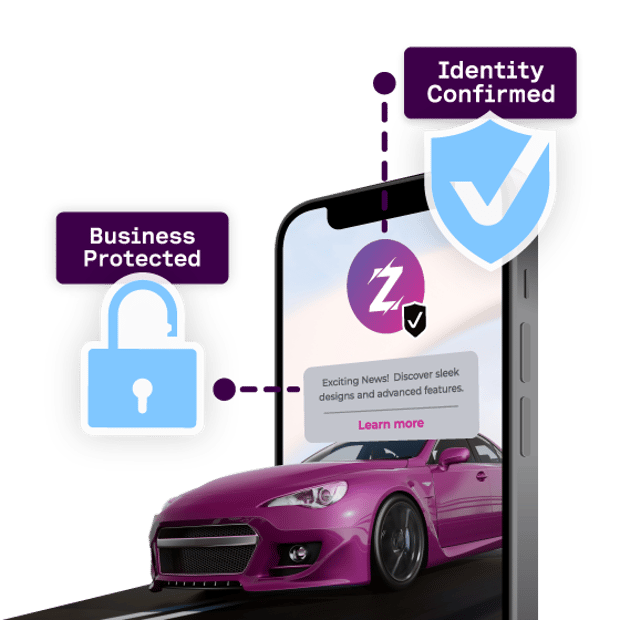
Brand authentication technology helps businesses prove their identity when they send messages. It shows the recipient that the message is coming from a real, verified business, not a scammer pretending to be one.
Messaging verification technology works by confirming details like the sender’s name, logo, and phone number. Some platforms also add a checkmark or badge next to the message, so customers can quickly see that it is trusted.
This is different from authentication in physical products, such as RFID tags or security labels. Messaging authentication happens in the digital space. It works across SMS, chat apps, in-app notifications, and other communication channels.
At its core, brand authentication makes messaging safer and more effective. Customers can trust the messages they receive. Businesses can send those messages knowing they are more likely to be seen and less likely to be marked as spam.
Risks of messaging without authentication
Most people are cautious when they receive a message from an unknown number. Without brand authentication, even your most important messages can look suspicious. Over time, this can lead to real problems for your business.
Here are a few of the risks that come with unauthenticated messaging:
Impersonation attacks: Scammers can copy your brand name or style to send fake messages, putting your customers at risk.
Blocked or filtered messages: Some carriers and platforms automatically filter unverified messages, reducing your reach.
Customer hesitation: If a message doesn’t include clear identity cues, many customers will ignore it, even if it is real.
Increased support burden: Teams may need to field questions about fake messages or reassure customers who are unsure what’s safe.
Reputational harm: If messaging fraud or confusion happens more than once, it can damage customer trust in your brand.
Unauthenticated messaging opens the door to confusion, missed opportunities, and potential harm. That’s why getting verification right is no longer optional; it’s essential.
Key benefits of verified messaging
Once a brand is verified, its messages become easier to trust and harder to ignore. Customers know exactly who the message is from, and that clarity helps every part of the communication process.
Here are some of the most valuable benefits businesses see after implementing brand authentication:
Greater message visibility: A verified sender name, logo, or badge helps your messages stand out from unknown numbers or spam.
Higher open and response rates: People are more likely to engage with messages when they trust the sender.
Stronger fraud protection: Brand verification makes it harder for bad actors to impersonate your business.
Fewer delivery issues: Verified messages are less likely to be blocked or filtered by carriers and platforms.
Better customer confidence: When your messages arrive with visible trust signals, they reflect positively on your brand as a whole.
Verified messaging is not just a technical upgrade. It is a simple but powerful way to build trust, improve results, and reduce the risks that come with digital communication.
How messaging brand authentication works
Setting up brand authentication might sound complex, but the process is more straightforward than most people expect. It is about giving platforms the right information to confirm that your messages are really coming from your business.
Here’s how it typically works:
Business verification
You submit your brand details to a messaging platform or carrier. This may include your legal name, company website, industry, and contact information.
Sender profile creation
Once verified, your business can set up a profile. This includes your brand name, logo, and sometimes a verified checkmark that appears in your messages.
Platform or API integration
You connect your business systems to the messaging platform. This could be a messaging API, contact center software, or CRM, depending on how you manage communication.
Ongoing monitoring and updates
If your business details change, you can update your profile. Messaging providers may also run checks from time to time to make sure your verified status stays active.
The exact steps may vary by channel. For example, SMS and chat apps might follow different guidelines. But the goal is always the same: help customers quickly recognise that a message is real and coming from you.
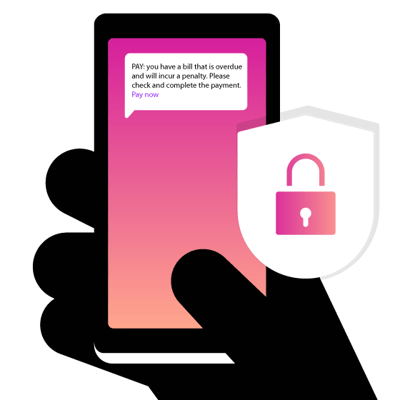 Fight messaging fraud with Vonage Fraud Defender
Real-world examples of brand authentication in business messaging
Brand authentication in messaging can support a wide range of goals, from fraud prevention to improving customer engagement. While the core technology stays the same, its value often depends on how it is used within a specific industry.
Here are a few common examples:
Retail
Retailers often send promotional messages, delivery updates, and loyalty offers. Verified messaging helps ensure these reach the customer without being mistaken for spam. It also prevents fraudsters from copying brand names in fake coupon scams.
Finance
Banks and financial services use messaging for account alerts, payment reminders, and fraud warnings. These messages are time-sensitive and often contain sensitive information. Verified sender identity helps protect customers and supports compliance.
Travel & hospitality
Airlines, hotels, and travel platforms use messaging to send booking confirmations, itinerary changes, and check-in reminders. Verified messaging helps reduce the risk of fraudulent booking scams and gives travellers confidence that the updates they receive are genuine.
Professional services
Healthcare providers, law firms, and consultants often send appointment reminders, billing notices, and service updates. With verified messaging, these businesses can show that the information is accurate and trustworthy.
In each case, brand authentication creates a more secure and reliable communication flow. It allows businesses to focus on delivering the right message at the right time, without the risk of being ignored or blocked.
Considerations before you implement brand authentication
Before adding brand authentication to your messaging strategy, it helps to plan ahead. While the setup is usually simple, making the most of it depends on how well your business is prepared.
Here are a few key things to think about:
Team alignment
Start by making sure your teams are on the same page. IT, marketing, security, and customer service should understand what brand authentication is, how it works, and why it matters.
Platform compatibility
Check if your current messaging systems support verified sender profiles. This includes messaging APIs, chat apps, contact centre tools, and CRM platforms.
Channel-specific requirements
Different channels may have different rules. For example, SMS, RCS, WhatsApp, and in-app notifications each follow their own verification processes. Make sure you understand what is required for each one.
Time and setup effort
Although setup is usually quick, you may need to provide documents or go through a short review process. Planning ahead can reduce delays.
Ongoing maintenance
If your business changes names, phone numbers, or logos, you will need to update your sender profile. Keep your records current to avoid losing verified status.
Taking time to prepare your business can help ensure a smooth setup and better results. With the right steps in place, brand authentication becomes easier to manage and more valuable over time.
Once your team is aligned and your systems are ready, the next step is choosing the right solution to support your messaging goals.
Key features to look for in a messaging authentication solution
Choosing the right brand authentication solution starts with understanding which features support both trust and performance. A strong solution should not only verify your identity but also help you manage it across messaging channels, teams, and regions.
Here are key features to look for:
Verified sender ID management
Support for displaying your business name, logo, and trust indicators across SMS, RCS, chat apps, and in-app messaging.
Multichannel compatibility
Ability to use the same verified identity across multiple channels, such as SMS, WhatsApp, Viber, and RCS.
API access and integration
Messaging APIs or platform integrations that allow you to manage verified messaging within your existing workflows and systems.
Fraud prevention tools
Built-in fraud security measures to detect impersonation attempts and block unauthorized senders from misusing your brand.
Support for global messaging standards
Compliance with carrier rules and industry standards in different regions, helping you avoid message delivery issues or rejection.
Simple setup and maintenance
An onboarding process that is easy to follow, with tools to keep your sender details up to date as your brand evolves.
By focusing on these core features, your team can choose a solution that supports both short-term performance and long-term trust.
What’s ahead: Evolving authentication in messaging
Brand authentication is not standing still. As messaging tools evolve, so do the ways businesses can build trust with their customers. New technology is making it easier to connect, protect, and personalize every message.
Here are a few changes to watch:
More rich media support
Messaging is moving beyond plain text. Verified senders can now include images, video, and clickable buttons in some channels. This creates better experiences and stronger engagement, especially when customers know the message is real.
Expansion across chat apps
Brand authentication is growing in chat platforms like WhatsApp, Messenger, and Google Messages. Businesses can build trusted profiles in the places where customers already spend time.
Stronger fraud detection
Platforms are adding tools that use artificial intelligence to detect suspicious behaviour. This helps catch impersonators faster and keeps messaging ecosystems safer for everyone.
Personalized in-app messaging
Verified messaging is also being used inside mobile apps. This gives brands more control over how and when they talk to users, with trust built in from the start.
As the messaging space grows, verification will play a bigger role in helping businesses stand out and stay secure. The brands that adapt early are more likely to earn long-term trust.
Why authentication is a messaging essential
Messaging has become one of the fastest ways to connect with customers, but speed alone is not enough. Customers also need to feel confident that each message is coming from a source they can trust.
Brand authentication gives your business the tools to build that trust from the very first interaction. Whether you are sending promotions, alerts, or reminders, verified messaging helps ensure your message is received, not rejected.
Before moving forward, consider these questions:
Are your messages verified with brand authentication technology?
How do you signal trust and prevent fraud in messaging?
Is your setup for sender verification simple and secure?
These are the types of questions that security leads, brand managers, and IT teams should be asking today to stay ahead of growing risks and rising customer expectations.
Strengthen your messaging strategy with brand authentication
Adding brand authentication to your messaging strategy is a practical way to improve deliverability, reduce fraud, and build lasting trust with your customers. As messaging channels continue to expand, the ability to verify your sender identity across platforms is becoming essential.
Is your business ready to improve engagement and protect its reputation at scale? Vonage Messages API provides one platform for SMS, MMS, RCS, and popular chat apps, offering the flexibility and control needed to manage verified messaging across your customer journey.
Sign up now
Was this helpful? Let's continue your API journey
Don't miss our quarterly newsletter to see how Vonage Communications APIs can help you deliver exceptional customer engagement and experiences on their favorite channels.

Thanks for signing up!
Be on the lookout for our next quarterly newsletter, chock full of information that can help you transform your business.
Still have questions about brand authentication solutions in messaging?
Brand authentication confirms the identity of the sender before a message reaches the customer. It typically includes verified sender details such as a business name, logo, or trust badge. This helps customers recognize the message as legitimate and builds confidence in the communication.
Brand authentication makes it harder for scammers to impersonate your brand. Verified sender IDs give platforms and customers a way to confirm that the message is real. This helps reduce phishing, spoofing, and other types of messaging fraud.
Yes. Verified messages are more likely to pass through carrier filters and be delivered to customers. This improves your message reach and helps avoid being flagged as spam.
Brand authentication is available across many channels, including SMS, RCS, WhatsApp, Viber, and other OTT platforms. Each channel may have its own process for verifying sender identity.
You can start by reviewing your current messaging platform and checking for support of verified sender profiles. If you need a flexible solution that supports multiple channels, Vonage Messages API offers a centralized way to manage messaging with sender authentication included.