Branded Calling for Business and Programmable Messaging: Building Trust Across Channels
When customers don’t recognize a phone number, they don’t answer. Scam calls and spoofed numbers have made it harder for businesses to connect, even when the message is important.
Branded calling for business helps solve this problem. It shows your company’s name, logo, and the reason for the call on the customer’s screen. This builds trust and makes it more likely they’ll pick up.
Programmable messaging adds another layer of control. It lets you send automated messages, like SMS or in-app alerts, before or after a call, using the same verified brand identity. These are separate tools, but they work better together. Used side by side, they help you deliver secure, trusted communication across channels.

What is branded calling?
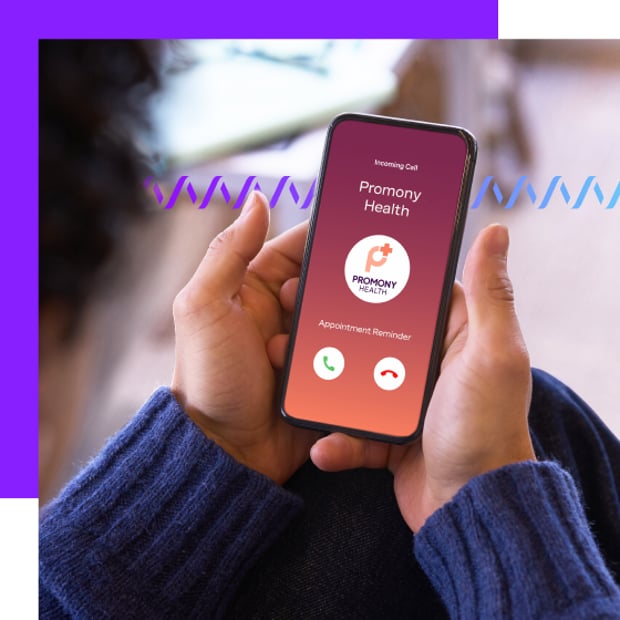
Branded calling for business is a communications solution that helps companies clearly identify themselves during outbound calls. Instead of showing an unknown number, the call displays your company’s name, logo, and a short reason for calling on the customer’s phone screen. This makes it easier for customers to recognize who is calling, and it builds trust at the moment of contact.
Traditional caller ID is often incomplete or unreliable. Branded calling displays verified business details to help build trust and improve answer rates. It works across most major carriers without requiring customers to download an app.
For businesses with an existing app, branded calling can also be integrated in-app to create an even richer call experience. Whether through the native dialer or inside your own app, it offers more control and a better customer experience than the public telephone network alone.
Branded calling often relies on STIR/SHAKEN protocols to confirm a call is coming from a verified source. These protocols protect customers from spoofed calls and give businesses more control over how their calls appear.
When used alongside programmable messaging, branded calling becomes even more effective. Branded calling and programmable messaging are both part of a broader strategy that helps businesses own their brand across every communication touch point. By controlling how your business appears in both voice and digital channels, you can protect customer trust and improve engagement.
Why financial services use branded calling to reduce fraud
In banking and finance, timing and trust are critical. When a customer gets a call from an unrecognized number, they often hesitate to answer. This can lead to missed fraud alerts, delayed approvals, or ignored account updates.
The rise of spoofed calls and impersonation scams has worsened the problem. Even legitimate calls go unanswered because customers can't tell who's on the other end. 75% of consumers felt their CX with a business would improve if they could be certain calls they receive are from the business they expect them to be.
Branded calling for business helps financial institutions solve this. By displaying a verified name, logo, and call reason, branded calls give customers the confidence to answer. It turns a suspicious moment into a trusted interaction.
Branded calling also supports compliance efforts by showing clear ownership of the communication channel. It helps organizations meet regulatory requirements, while reducing fraud risk and improving customer engagement.
What is programmable messaging?
Programmable messaging allows businesses to send and manage messages across digital channels using messaging APIs. These channels include RCS, SMS, MMS, WhatsApp, in-app messaging, push notifications, email, and chat apps. With programmable messaging, companies can build automated communication flows that are flexible, secure, and personalized.
Messaging APIs connect core systems, such as CRMs or contact centers, to a messaging provider. This gives businesses complete control over how, when, and why messages are sent.
Unlike branded calling, which is built on a voice API, programmable messaging supports text-based communication. Both are independent tools, and together they give businesses more options to manage secure and trusted customer engagement.
How branded calling and programmable messaging work together
When combined, branded calling and programmable messaging create more secure, multi-channel communication strategies that build customer trust. Branded calling improves voice answer rates by displaying a verified name, logo, and call reason. Programmable messaging extends that trust by adding automated reminders, confirmations, or follow-ups across digital channels.
For example, a financial institution might use programmable messaging to notify a customer that a branded call is coming. When the call arrives, the customer is ready to answer with confidence. If the call is missed, an SMS, in-app message, or email can follow up automatically.
This coordination improves engagement, reduces fraud risk, and helps institutions meet compliance requirements. It also gives businesses more flexibility to deliver communication flows that are secure, efficient, and personalized.
Use cases in financial services and beyond
Branded calling and programmable messaging are especially valuable in industries where trust, timing, and compliance are essential. Financial services lead the way, but the same principles apply across healthcare, insurance, retail, and logistics.
Here are a few common ways these tools are used together to improve communication and reduce risk:
Finance and banking
Fraud alerts: Use programmable messaging to send an SMS or in-app notification before placing a branded call. Customers are more likely to respond when they’re informed.
Loan application follow-ups: Branded calls help personalize the outreach, while messaging ensures reminders are timely and trackable.
Collections and payment reminders: A verified voice call builds trust. Messaging provides a discreet follow-up that’s easy to act on.
Insurance
Claims updates: Automate status messages and use branded calling when live conversations are needed to clarify details.
Policy renewals: Schedule messaging in advance, then use a branded call for a final reminder or offer.
Healthcare
Appointment reminders: Reduce no-shows by sending messages first, then confirming with a branded call.
Prescription pickups: Combine automated notifications with branded voice outreach for timely coordination.
Retail and logistics
Delivery confirmations: Use branded calls to verify delivery and follow up with SMS to confirm receipt.
High-value support: Messaging can handle routine updates, while branded calls add a human touch for VIP customers.
In each of these cases, branded calling helps customers trust the conversation, while programmable messaging ensures flexibility and control across the entire workflow.
 Customer Engagement
How caller ID verification and STIR/SHAKEN support fraud prevention
For branded calling to build trust, the caller's identity must be verified. Without that verification, spoofed calls can still get through, which puts both customers and businesses at risk.
Caller ID verification confirms that a call is coming from a real, trusted source. This is made possible by STIR/SHAKEN, a set of telecom standards that help carriers verify and authenticate calls before they reach the customer.
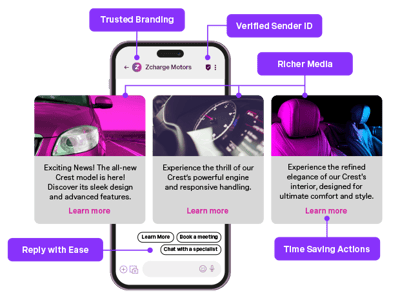
When a call is verified, mobile networks allow branded information, like the business name, logo, and call reason, to appear on the customer’s screen. This makes it easier for people to trust the call and respond.
For financial institutions, this level of verification is critical. Spoofing attacks are one of the most common ways fraudsters impersonate banks or lenders. Without caller ID verification, even a branded call can be faked.
STIR/SHAKEN protocols reduce that risk by making it harder for scammers to manipulate caller IDs. They also support broader fraud prevention strategies by helping institutions show clear ownership of their communication channels. When combined with secure messaging workflows, this adds another layer of protection across both voice and digital touchpoints.
Benefits of using branded calling and messaging workflows together
When branded calling is combined with programmable messaging, the result is a secure, flexible communication strategy that improves how businesses connect with customers.
Here are some of the key benefits of using both tools together:
Higher answer rates. Customers are more likely to pick up a call when they see a verified name, logo, and reason for the call.
Improved trust. Branded calls and secure messages help customers feel more confident about who is contacting them and why.
Reduced fraud risk. Caller ID verification and secure messaging flows make it harder for bad actors to impersonate a business.
Better customer engagement. Automated workflows let businesses reach customers at the right time with the right message.
Stronger compliance. Verified communications help financial institutions align with regulatory standards for customer outreach.
These benefits extend beyond individual calls or messages. When integrated into a broader communication strategy, branded calling and programmable messaging help businesses improve visibility, reduce uncertainty, and deliver a better customer experience across channels.
Embedding branded calling into applications and contact centers
Branded calling is not limited to outbound calls from call centers. It can also be built into apps, websites, and customer service workflows to create a consistent, secure experience across channels.
For financial institutions, this kind of integration supports a wide range of high-value use cases. Customers can connect with your business through verified voice calls, whether they’re using a mobile app or speaking with a support agent.
Here are a few common ways businesses are embedding branded calling into their platforms:
In-app calling. Customers can place verified calls directly from a mobile banking or insurance app. Because they’re already signed in, their identity is confirmed before the call even begins.
Click-to-call from secure portals. Branded calls can be triggered from authenticated web or mobile portals, making it easy to reach a representative without dialing a number manually.
Automated contact center workflows. When integrated with programmable messaging and voice APIs, branded calls can be routed through systems that personalize the experience based on account history or customer behavior.
This kind of flexibility removes friction and improves trust. Customers no longer have to question who is calling or worry about fraud. At the same time, your team gains more control over how voice communication is managed and secured within your digital environment.
Steps businesses can take to adopt branded calling
Getting started with branded calling doesn’t have to be complicated. With the right setup, your organization can move from planning to deployment quickly, without needing deep technical resources.
Here are the core steps businesses can follow to bring branded calling into their communication strategy:
Audit your outbound numbers
Identify all phone numbers used for customer outreach. Make sure they are registered and tied to your business.
Register your brand identity
Submit your legal business name, logo, and the phone numbers you want to brand. This information will be used to display verified details during calls.
Enable caller ID verification
Use STIR/SHAKEN protocols to verify that your calls are coming from a legitimate source. This prevents spoofing and builds trust.
Set up messaging APIs
If you're using programmable messaging, connect your internal systems to messaging APIs. This allows branded calls and messages to work together within automated workflows.
Configure your call display
Define how your brand name and call reason should appear to customers. Make sure it aligns with your customer experience goals.
Test and monitor
Run test calls to confirm that branding appears correctly across supported carriers. Monitor call engagement and make updates as needed.
This process helps ensure that your calls are secure, trusted, and consistent across every customer interaction. When paired with programmable messaging, you can take your communication strategy even further, supporting real-time engagement, fraud prevention, and compliance.
Measuring ROI of branded calling and messaging campaigns
Once branded calling and programmable messaging are in place, it’s important to measure how well they’re performing. Tracking results not only helps improve your communication strategy, but also shows clear business value.
Here are some of the key metrics organizations can use to measure return on investment:
Answer rates: Compare the response to branded calls versus unbranded ones. Verified visuals often lead to higher pickup rates.
Customer actions: Track follow-through activity such as completed payments, form submissions, or secure logins after a branded call or message.
Fraud outcomes: Monitor changes in spoofing attempts, impersonation complaints, or successful fraud interventions.
Operational efficiency: Measure outcomes like first-contact resolution, fewer follow-ups, or shorter support times.
Compliance alignment: Confirm that verified communications meet regulatory standards for contact and data security.
With messaging APIs and analytics tools in place, most of these metrics can be captured automatically. The insights help you understand what’s working, where to optimize, and how secure, trusted communication impacts your bottom line.
Why now is the time to invest in branded calling for business
Customer trust is one of the most valuable assets any business can build. In industries like finance, where fraud risk is high and secure communication is essential, trust is more than a goal, it’s a requirement.
Branded calling gives organizations a way to take control of their identity and make every voice interaction recognizable, verified, and consistent. When customers see your brand, not a random or unknown number, they’re more likely to answer, engage, and trust the conversation.
This isn’t just about reaching people. It’s about owning your brand at the point of contact.
When paired with programmable messaging, branded calling helps you deliver secure, automated experiences across both voice and digital channels. You can protect against spoofing, meet compliance standards, and maintain brand consistency, without asking customers to download an app.
This is more than a technology shift. It’s a chance to build stronger relationships, reduce fraud, and deliver communications that are clearly, confidently yours.
Sign up now
Was this helpful? Let's continue your API journey
Don't miss our quarterly newsletter to see how Vonage Communications APIs can help you deliver exceptional customer engagement and experiences on their favorite channels.

Thanks for signing up!
Be on the lookout for our next quarterly newsletter, chock full of information that can help you transform your business.
Still have questions about branded calling and programmable messaging?
Branded calling shows your company’s name, logo, and reason for calling on the customer’s phone screen. It uses verified data and caller ID authentication to help customers recognize and trust the call. This improves answer rates and reduces the chance of calls being mistaken for spam.
No. Branded calling works through mobile carrier networks, so customers don’t need to download anything. Once your business is registered and verified, your branded calls will display automatically on supported devices.
Programmable messaging allows businesses to send and manage automated messages across digital channels like SMS, in-app messaging, push notifications, and email. It uses messaging APIs to create secure, flexible communication flows based on customer activity or internal workflows.
No. Branded calling and programmable messaging are two separate communication tools. Branded calling is used for voice calls, while programmable messaging supports digital channels. When used together, they help create a complete, secure customer communication strategy.
Branded calling uses caller ID verification and STIR/SHAKEN protocols to confirm the identity of each call. This makes it harder for scammers to spoof your number and helps protect customers from impersonation fraud.
Start by identifying your outbound phone numbers, registering your business identity, and enabling caller ID verification. From there, you can set up branded visuals, connect messaging APIs, and build secure communication workflows that fit your customer experience goals.
Businesses often see higher answer rates, better customer engagement, reduced fraud incidents, and stronger compliance alignment. With the right analytics tools in place, you can measure results and optimize communication over time.