Secure Messaging Platform for Financial Alerts — Drive Trust and Compliance
Financial institutions face growing pressure to deliver secure, real-time alerts to clients, whether for transactions, fraud detection, or compliance updates. A secure messaging platform enables encrypted, instant communications across trusted channels like SMS, RCS and WhatsApp, keeping customers informed without sacrificing regulatory standards or user experience.
These platforms don’t just protect sensitive data. They help banks and fintechs meet the demands of GDPR, PSD2, and other global regulations, all while integrating smoothly with existing systems. When backed by a flexible, programmable API, secure messaging becomes a vital piece of customer engagement and risk mitigation strategy.

-
1.
-
2.
-
3.
-
4.
-
5.
-
6.
-
7.
-
8.
-
9.
What is a secure messaging platform for financial alerts?
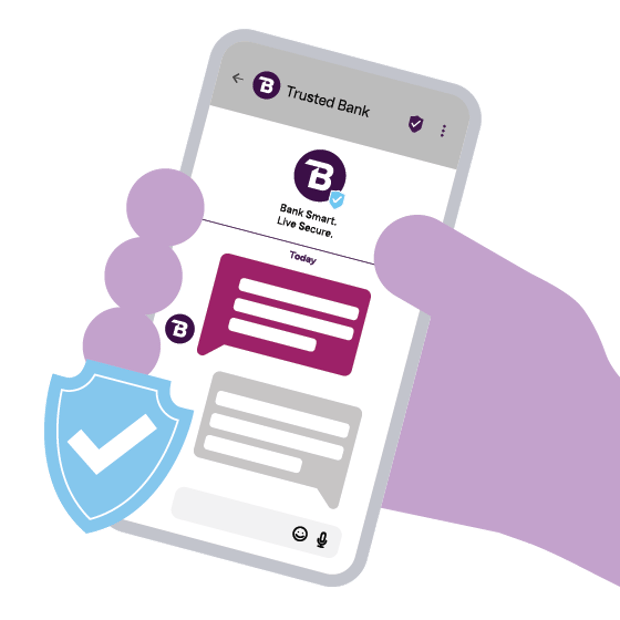
A secure messaging platform for financial alerts enables banks, fintech firms, and insurers to deliver encrypted, time-sensitive communications to customers across SMS, WhatsApp, RCS and in-app messaging. These platforms ensure that messages like transaction notifications, account changes, or fraud alerts are delivered instantly while meeting strict regulatory standards such as GDPR and PSD2.
Unlike general-purpose messaging apps, enterprise platforms integrate directly with financial systems via API, enabling automated alerts that are secure, auditable, and scalable.
Leading secure messaging platforms and how they compare
Many consumer-focused messaging apps are recognized for their strong encryption and privacy-first design. While not built for enterprise alerting, their security architecture offers helpful benchmarks for financial institutions evaluating platforms.
SMS remains a critical channel for financial alerts due to its universal reach and immediacy. While it lacks native encryption, secure messaging platforms mitigate this by applying encryption at the transport layer, enforcing compliance policies, and ensuring secure API integration. When used within a compliant platform, SMS can support reliable and auditable delivery of high-priority alerts.
WhatsApp offers end-to-end encryption on all messages and voice calls. It supports business messaging through the WhatsApp Business API, though its ownership by Meta raises concerns for institutions prioritizing data minimization and transparency.
RCS (Rich Communication Services) enhances the traditional SMS experience with features like branding, read receipts, and richer interactivity. However, end-to-end encryption in RCS is not universally implemented, and support varies by carrier and device. As with SMS, its use in regulated environments depends on being delivered through platforms that provide encryption in transit, data handling controls, and regulatory compliance monitoring.
Factors to consider when choosing
Prioritize platforms with end-to-end encryption protocols as the default for all message types, including text, images, and files.
Apps with open-source transparency, that publish their source code, can be independently audited, which builds trust and helps detect vulnerabilities.
Select tools that avoid collecting unnecessary user data — data minimization. This includes not requiring phone numbers and avoiding metadata storage.
Assess the provider’s ownership and business model to ensure corporate alignment. Nonprofits and privacy-first companies may offer stronger protections than ad-driven or data-reliant firms.
Consider how many of your customers already use the platform. Broad adoption can improve engagement rates but must be weighed against security and compliance requirements.
Why secure client messaging matters more than ever
In today’s fast-moving financial landscape, timely, secure client communication isn’t just important, it’s mandatory. With rising customer expectations, evolving cyberthreats, and increasing pressure from global regulations, financial institutions must ensure their messaging infrastructure is both airtight and agile.
Financial alerts are under scrutiny
When it comes to alerts like suspicious activity notices, account logins, or wire transfer confirmations, any delay or data leak can erode trust. Regulatory bodies across regions, from the European Union’s PSD2 directive to the California Consumer Privacy Act, demand that institutions protect personal and transactional information at every touchpoint.
Even seemingly simple alerts, like a balance threshold notification, can expose sensitive financial data if not delivered securely. A compromised SMS or unverified in-app push can lead to financial fraud, account takeover, or reputational damage.
Customer experience depends on trusted channels
Modern banking customers expect real-time updates, and they want those updates delivered in familiar, mobile-first formats like SMS and WhatsApp. However, convenience cannot come at the cost of compliance or security.
Secure messaging platforms solve this by delivering encrypted transaction notifications and fraud alerts over trusted channels, with verified sender identities and real-time safeguards. These messages build confidence while keeping institutions compliant.
Insight: According to a 2025 study, 71% of consumers say they’re more likely to engage with financial messages when brands clearly identify themselves and give users control over preferences.
Messaging security is only part of the equation
Banks and fintech platforms are also balancing scalability and integration. A modern messaging platform must plug directly into legacy banking systems, CRM tools, or mobile apps, automating communication workflows without compromising performance.
With the right secure messaging infrastructure, institutions can:
Alert users of high-risk transactions instantly
Send real-time account updates during system outages
Confirm new device logins or withdrawals with encryption
Support multilingual and geo-targeted messaging
Meet opt-in, opt-out, and data access requirements globally
Whether it’s a mid-sized credit union or a global payments provider, secure, intelligent messaging has become essential to operational resilience, customer loyalty, and regulatory readiness.
Key features of a secure messaging platform for financial alerts
Not all messaging platforms are built for the demands of financial services. To protect sensitive data, ensure timely delivery, and meet strict global compliance standards, institutions need platforms with purpose-built features that go beyond standard SMS or in-app messaging.
Here’s what separates a financial-grade secure messaging platform from generic tools:
End-to-end encryption by default
Every alert, whether it's a low-balance notification or a potential fraud warning, must be protected in transit and at rest. End-to-end encryption ensures that only the intended recipient can view the content, blocking interception by third parties, including service providers.
For SMS and WhatsApp channels, a secure messaging platform should enforce encryption and failover policies that prioritize data privacy without disrupting user experience.
Pro tip: Look for messaging APIs that encrypt payloads, redact message logs, and support secure fallback to alternative channels if delivery fails.
Real-time delivery and automation
In finance, seconds matter. A delayed fraud alert can lead to account takeovers. A missed transaction confirmation can trigger customer panic or lost trust. Secure messaging platforms need built-in support for:
Instant delivery with minimal latency
Automated alerts based on API triggers (e.g., transaction over $500)
Retry logic and failover pathways to alternate channels
Time-sensitive validity windows for each message
Automation ensures alerts are not only fast but contextually accurate, reducing manual error while improving customer engagement.
Consent and compliance management
Regulations like GDPR, PSD2, and CCPA mandate that users have full visibility and control over their communications. A secure messaging platform must include:
Explicit opt-in and opt-out workflows
Message logging and user preference tracking
Support for double opt-in and audit trails
Role-based access controls for message history and user data
Without these messaging compliance regulations, financial institutions risk penalties and erode user trust.
Secure channel versatility
Secure messaging should meet customers where they are, whether that’s via SMS, WhatsApp Business messaging, or even secure web-based portals.
Support encrypted, verified message delivery
Handle attachments like PDFs, payment confirmations, or ID documents
Integrate seamlessly with CRM or transaction systems
Respect channel-specific consent and opt-out laws
Some channels, like WhatsApp and RCS, support rich media and interactivity, which can improve engagement for tasks like payment reminders or fraud verification. A secure messaging platform should adapt to each channel’s strengths, without compromising security.
Developer-friendly APIs for banking systems
For real-time alerts to work, the platform must integrate directly with core financial systems, from transaction engines to KYC platforms. Key technical features include the following:
RESTful APIs for sending and receiving messages programmatically
Webhooks for delivery receipts and user actions (e.g., link clicks, opt-outs)
Support for high-throughput use cases (e.g., batch transaction alerts)
SDKs and libraries for rapid integration with existing codebases
Common mistake: Choosing a messaging platform that only supports basic SMS functions or lacks support for GDPR-compliant data access can stall deployments and create security gaps.
These foundational capabilities are what allow banks and fintechs to send real-time, encrypted notifications confidently, all while reducing manual workloads and staying on the right side of regulation.
Feature comparison — Here are standard messaging vs. secure financial messaging platforms:
Feature
Standard Messaging Platforms
Secure Messaging Platforms for Finance
End-to-end encryption
Available in some apps
Enforced by default across all channels
Real-time API-triggered delivery
Limited or delayed
Supports instant, event-based messaging
GDPR and PSD2 compliance tools
Often external or incomplete
Built-in support for regulatory requirements
Multichannel encrypted support
Typically SMS or email only
Includes SMS, WhatsApp, and RCS
Integration with financial systems
Basic or not supported
API-ready for core banking and CRM systems
Consent and preference management
Manual opt-ins or external tools
Native tools with audit trails and segmentation
How secure messaging platforms support compliance with financial regulations
Compliance is non-negotiable in financial services, where even small missteps can result in significant fines, reputational harm, or customer churn. A secure messaging platform doesn’t just protect message content, it’s designed to support end-to-end compliance with regulatory frameworks like GDPR, PSD2, and region-specific financial conduct standards.
GDPR and data minimization by design
The General Data Protection Regulation (GDPR) requires financial institutions to collect and process only the data necessary for a specific purpose, and to secure it at every step. A secure messaging platform helps you meet these obligations in the below ways.
Encrypting data in transit and at rest to prevent unauthorized access
Limiting data retention based on user consent and business need
Ensuring data portability and erasure upon request
Providing audit logs and consent records for regulatory review
These capabilities give compliance teams confidence that customer data isn’t just protected, but also traceable and governed under a privacy-first architecture.
PSD2 and secure customer authentication
The Revised Payment Services Directive (PSD2) in the EU mandates Strong Customer Authentication (SCA) for most financial transactions. Secure messaging platforms help meet this requirement by integrating with real-time alerts and multi-factor authentication workflows.
For example, if a customer initiates a high-value transfer, a compliant platform can trigger an instant SMS or WhatsApp alert that:
Confirms the transaction details
Requests a secondary confirmation step (e.g., biometrics or in-app PIN)
Provides an audit trail for regulators and internal monitoring
This approach balances security and user experience, reducing friction while keeping malicious actors out.
Consent management and opt-out controls
Consent isn’t just a checkbox, it’s an ongoing responsibility. The best secure messaging platforms offer built-in consent capture and management, helping financial institutions:
Collect opt-ins across messaging channels (SMS, WhatsApp, RCS)
Provide clear preference controls for message frequency and type
Maintain detailed logs for opt-ins, opt-outs, and updates
This level of transparency supports compliance with evolving global privacy laws and reassures users that their communication preferences are respected.
Pro tip: Don’t wait for an audit to identify compliance gaps. Secure messaging platforms like Vonage offer proactive monitoring and built-in safeguards to help you stay ahead of regulatory risk.
Compliance readiness checklist for secure financial messaging
Use the checklist below to assess whether your current messaging infrastructure is built to support financial compliance.
Consent management and opt-out controls
Consent isn’t just a checkbox, it’s an ongoing responsibility. The best secure messaging platforms offer built-in consent capture and management, helping financial institutions:
Collect opt-ins across messaging channels (SMS, WhatsApp, RCS)
Provide clear preference controls for message frequency and type
Maintain detailed logs for opt-ins, opt-outs, and updates
This level of transparency supports compliance with evolving global privacy laws and reassures users that their communication preferences are respected.
Pro tip: Don’t wait for an audit to identify compliance gaps. Secure messaging platforms like Vonage offer proactive monitoring and built-in safeguards to help you stay ahead of regulatory risk.
Compliance readiness checklist for secure financial messaging
Use the checklist below to assess whether your current messaging infrastructure is built to support financial compliance.
Consent management and opt-out controls
Consent isn’t just a checkbox, it’s an ongoing responsibility. The best secure messaging platforms offer built-in consent capture and management, helping financial institutions:
Collect opt-ins across messaging channels (SMS, WhatsApp, RCS)
Provide clear preference controls for message frequency and type
Maintain detailed logs for opt-ins, opt-outs, and updates
This level of transparency supports compliance with evolving global privacy laws and reassures users that their communication preferences are respected.
Compliance readiness checklist for secure financial messaging
Use the checklist below to assess whether your current messaging infrastructure is built to support financial compliance.
Pro tip: Don’t wait for an audit to identify compliance gaps. Secure messaging platforms like Vonage offer proactive monitoring and built-in safeguards to help you stay ahead of regulatory risk.
Compliance Area
Key Capabilities to Confirm
Data security
End-to-end encryption, secure APIs, secure storage, and zero-access architecture
User consent
Multichannel opt-in management, real-time preference updates, and opt-out handling
GDPR requirements
Data minimization, user data access and deletion, consent logs, and audit trails
PSD2 compliance
Strong Customer Authentication (SCA) support and real-time transactional alerts
Cross-channel regulation
Unified consent and messaging governance across SMS, WhatsApp, and in-app channels
Audit preparedness
Time-stamped logs, exportable reports, and message-level delivery and read receipts
Real-time use cases for secure financial messaging
Speed matters in financial communication. Whether it's a fraud alert, a payment confirmation, or a loan update, customers expect immediate, accurate, and secure messaging. A secure messaging platform enables financial institutions to deliver this critical information in real time, while meeting strict privacy and compliance standards.
Below are some high-impact hypothetical use cases where secure messaging can make a measurable difference:
Instant fraud alert notifications
When fraudulent activity is suspected, time is your biggest asset. Secure messaging platforms allow banks and fintechs to:
Instantly notify customers via SMS or WhatsApp about suspicious activity
Prompt them to confirm or flag a transaction using quick-reply options
Escalate unverified activity to voice verification or customer support
Automatically log all alert interactions for compliance purposes
Example: A customer receives a WhatsApp alert:
"Unusual login attempt detected on your account. Was this you? Reply YES or NO."
The message is encrypted, branded, and timestamped, allowing quick action without exposing personal data.
Encrypted transaction notifications
From ATM withdrawals to bill payments, customers want transparency without compromising privacy. Secure messaging APIs can be configured to:
Send instant confirmations for account activity
Include masked amounts or merchant names for added discretion
Allow users to opt in or out by category (e.g., only international transfers)
Deliver updates through channels preferred by the customer
This not only keeps users informed but reinforces trust in your brand.
Real-time account updates
Secure messaging is ideal for dynamic account changes and alerts, such as:
Low balance warnings
Payment due reminders
Direct deposit confirmations
Changes to contact information or security settings
By pushing updates over secure, familiar channels, you reduce reliance on email, and give users the control and clarity they need to manage their finances confidently.
Loan and insurance application status alerts
Financial processes like loan applications or insurance claims involve multiple steps, and long waits can hurt conversion. Use secure messaging to:
Confirm when applications are received, reviewed, or approved
Deliver required next steps or document requests
Personalize notifications by status and user profile
Reduce call center volume by answering questions proactively
Common mistake: Sending sensitive application updates over unsecured email or generic channels. Instead, use secure APIs with branded messaging to deliver clear and compliant updates.
KYC verification and onboarding
Onboarding a new customer often requires identity checks and document collection. Secure messaging helps accelerate this process by:
Sending requests for additional documentation via SMS or WhatsApp
Confirming successful submission and next steps
Allowing for real-time support via chat or embedded video if needed
Syncing user responses with internal systems for faster approval
This keeps new customers engaged while maintaining KYC (Know Your Customer) and AML (Anti-Money Laundering) compliance standards.
API integration and legacy system compatibility
Adopting a secure messaging platform does not require replacing your existing infrastructure. The most effective solutions are built to integrate with legacy core banking systems, CRMs, fraud engines, and customer engagement tools without disrupting daily operations.
This level of flexibility is essential for financial institutions managing a blend of older systems, cloud services, and complex regulatory requirements.
What makes a secure messaging API integration ready
A financial alerts API that is truly integration friendly should be:
Fully programmable with clear developer documentation and RESTful endpoints
Capable of sending messages across SMS, WhatsApp, and chat apps from one interface
Responsive to events from other systems like transaction engines or CRMs
Compliant with secure authentication and encryption standards such as HTTPS, TLS, and OAuth
Adaptable to legacy environments using SDKs or middleware for easy connectivity
Here are common systems connected to secure messaging APIs:
System Type
Example Platforms
Integration use case
Core banking systems
FIS, Temenos, Jack Henry
Send transaction and account update notifications
Fraud detection engines
Feedzai, NICE Actimize, SAS
Deliver instant alerts based on fraud scoring
Customer relationship tools
Salesforce, HubSpot, Microsoft Dynamics
Support onboarding, reminders, and engagement flows
Loan and insurance platforms
nCino, Finastra, Guidewire
Communicate document requests and status updates
Contact center systems
Genesys, NICE CXone, Twilio Flex
Route messages to agents or automate responses
Integrating secure messaging APIs across these systems helps break down communication silos while giving your teams centralized visibility over every customer interaction.
Pro tip: Set up webhook callbacks to monitor message delivery, engagement, and opt-out activity. This lets your systems update records automatically, which improves both compliance and customer data accuracy.
Business value of seamless integration
Faster implementation across new and existing environments
Reduced manual effort through automation
Stronger compliance through auditable messaging trails
Higher engagement with real-time delivery in the preferred channel
Ensuring regulatory compliance and data protection across messaging channels
Secure messaging platforms used in financial services must meet strict global regulatory standards. From GDPR in Europe to PSD2 and industry-specific rules like GLBA in the US, these laws govern how client data is stored, processed, and transmitted.
Compliance isn’t just about avoiding penalties, it builds long-term trust. Clients want assurance that alerts about account activity, transactions, or fraud are both timely and secure.
Here are key regulations financial messaging must follow:
Regulation
What It Governs
Applies To
GDPR
Personal data protection and user consent
EU and UK residents
PSD2
Payment data access, strong customer authentication
Banks and payment services in the EU and EEA
GLBA
Financial data privacy and safeguard rules
U.S. financial institutions and insurers
ePrivacy Directive
Electronic communications and marketing messages
EU member states
FCA, MAS, etc.
Regional financial conduct and technology regulations
National-level supervisory bodies
Security and privacy checklist for compliance
Use this list to validate that your messaging solution supports financial-grade security and compliance across channels.
End-to-end encryption for all outbound and inbound messages
Role-based access controls for staff and API users
Secure transmission protocols such as TLS 1.2 or higher
Full audit logs of message delivery, access, and content
Customizable consent management with opt-in/opt-out handling
Data residency options to support local regulatory requirements
Automatic message expiration for sensitive data retention policies
Common mistake: Using default SMS gateways without encryption or delivery tracking can expose customer data and increase risk. Always choose providers that offer secure transport and verifiable delivery status.
Pro tip: Work with platforms that provide built-in compliance tools such as consent tagging, data redaction, and real-time opt-out syncing across channels. This reduces legal exposure and operational overhead.
How compliance improves business performance
Strengthens customer trust and retention
Minimizes legal and reputational risks
Simplifies audits and internal governance reporting
Enhances eligibility for cross-border operations
Drive trust, security, and growth with the right messaging platform
Financial alerts aren't just notifications, they’re trust signals. In a world where customers expect instant updates and regulators demand airtight compliance, the right secure messaging platform becomes mission-critical.
By choosing a solution built for real-time delivery, end-to-end encryption, and seamless integration, you position your institution to stay ahead of fraud, deepen customer trust, and meet global standards with confidence.
Vonage Messages APIs give you the infrastructure to send secure, personalized alerts across SMS, WhatsApp, and beyond, while simplifying compliance and ensuring every message reaches its mark.
Enable real-time, encrypted transaction notifications today.
Sign up now
Was this helpful? Let's continue your API journey
Don't miss our quarterly newsletter to see how Vonage Communications APIs can help you deliver exceptional customer engagement and experiences on their favorite channels.

Thanks for signing up!
Be on the lookout for our next quarterly newsletter, chock full of information that can help you transform your business.
Frequently asked questions about secure messaging platforms
The most effective approach is to use a secure messaging platform with end-to-end encryption and programmable APIs. These platforms enable real-time alerts through trusted channels like SMS and WhatsApp, while meeting financial compliance standards such as GDPR and PSD2.
Yes, SMS can be used securely when paired with fraud protection tools, mobile identity verification, and consent management systems. While SMS itself is not encrypted, secure messaging APIs can layer in protections like SIM swap detection and silent authentication.
A secure messaging platform simplifies compliance by managing opt-ins, enforcing consent rules, storing communication logs, and enabling features like user data access and deletion requests. Look for providers that offer built-in controls and regional data handling.
WhatsApp offers end-to-end encryption, making it a secure option when combined with a verified business profile. However, financial institutions should also assess user consent, message visibility settings, and audit trails before adopting it at scale.
In-app messaging is ideal for authenticated users within a secure mobile or web app. SMS alerts are better for urgent or out-of-app communication, such as fraud alerts or payment confirmations. Many financial platforms use both to cover all engagement scenarios.
Yes, most platforms offer APIs that connect with existing banking systems, CRM tools, and customer data platforms (CDPs). This allows seamless data flow and ensures alerts are triggered in real time based on account activity.
Common use cases include low balance notifications, transaction approvals, login verifications, fraud warnings, and loan status updates. These alerts help reduce risk and improve user experience when delivered securely and promptly.
Choose a platform with global SMS and OTT (over-the-top) channel coverage, intelligent routing, and failover capabilities. This ensures high delivery rates even in areas with telecom restrictions or unstable infrastructure.
Managing consent starts with collecting clear opt-ins during account registration or onboarding. A secure messaging platform should offer built-in consent tracking, segmentation by opt-in status, and easy unsubscribe or preference management tools to stay compliant across regions and channels.