API Solutions for Multilingual Support With Custom AI Voices
Custom AI voices are redefining how multilingual support works in modern voice applications. Instead of relying on generic text to speech outputs, voice APIs now allow you to create brand consistent custom AI voices that adapt naturally across languages, accents, and regions. This approach helps reduce language barriers in customer support while delivering more cohesive, human sounding voice interactions.
By combining multilingual support, real-time translation, and voice interaction localization through communications APIs, organizations can scale global customer support without sacrificing brand identity. The result is improved customer experience across languages, broader market reach, and faster deployment of localized voice interactions that feel intentional rather than automated.

-
1.
-
2.
-
3.
-
4.
-
5.
-
6.
-
7.
-
8.
-
9.
-
10.
-
11.
Why custom AI voices matter for multilingual support
Custom AI voices enable multilingual support by preserving brand tone, conversational clarity, and natural pacing across languages, which reduces friction and improves global customer experience.
Voice interactions often set the tone for a customer relationship. When customers hear accents that feel unnatural, phrasing that sounds translated, or tone that shifts by region, trust erodes quickly. These issues become more visible as organizations scale global customer support and rely more heavily on automated voice systems.
Custom AI voices solve this by giving you direct control over how your brand sounds in every language. Instead of forcing customers to adapt to rigid systems, the voice experience adapts to them. This approach reduces language barriers in customer support while helping maintain consistent customer experience across regions, even as conversations move between languages in real time.
Key outcomes custom AI voices support include
Reduced language barriers in voice interactions
Brand consistent experiences across regions and channels
Improved customer experience in multilingual CX environments
Multilingual support is no longer just about understanding words. It is about conveying intent, empathy, and clarity in a way that feels natural to the listener. Brand consistent custom AI voices make this possible by maintaining tone and cadence, even when voice interactions rely on real time translation and localization.
In multilingual enterprise applications (such as customer support), performance gaps between high-resource and other languages can create up to a 29% drop in quality, and improvements in multilingual consistency can raise non-English language performance by nearly 24%, underscoring how consistency directly influences customer experience and perceived service quality across markets.
What are custom AI voices
Custom AI voices are synthetic voices designed to reflect a specific brand’s tone, personality, and conversational style across voice interactions. Unlike standard text to speech outputs, they are intentionally crafted to sound natural, consistent, and recognizable, even when used across multiple languages and regions.
These voices are delivered through voice APIs, which allow you to deploy, manage, and scale them across applications such as customer support lines, virtual assistants, and automated self service flows. When paired with multilingual support, custom AI voices help ensure that your brand sounds familiar whether a customer is calling from Berlin, São Paulo, or Singapore.
A defining characteristic of custom AI voices is their adaptability. They can maintain pacing, pronunciation, and emotional nuance while working alongside real time translation and voice interaction localization. This makes them especially effective for global customer support environments where conversations may shift languages without warning.
How voice APIs enable multilingual support at scale
Voice APIs provide the technical foundation needed to deliver multilingual support without duplicating systems or fragmenting experiences. Instead of building separate voice applications for each region, you use a single programmable layer that handles language detection, translation, routing, and voice delivery consistently.
This approach is what makes custom AI voices practical at scale. Voice APIs centralize control over voice behavior while allowing localization rules to be applied dynamically. As a result, you can expand into new markets faster while keeping voice interactions reliable, brand aligned, and easier to maintain.
Real-time language support in voice applications
Real-time language support allows voice applications to recognize spoken input, process intent, and respond in the appropriate language during a live interaction. This capability is essential for global customer support, where callers may switch languages mid conversation or interact with agents who speak a different primary language.
Voice APIs enable this by combining automatic speech recognition, real-time translation, and text to speech in a single flow. From the customer’s perspective, the experience feels seamless. From an operational standpoint, it reduces reliance on language specific staffing and improves responsiveness across regions.
Organizations using real time voice translation report smoother handoffs between automated systems and live agents, leading to more consistent customer experience across languages.
Voice interaction localization without fragmentation
Localization involves more than translating words. It includes pronunciation, conversational pacing, cultural phrasing, and how information is structured in speech. Voice APIs make it possible to apply these localization layers without rewriting application logic for each market.
By separating voice interaction localization from core business workflows, teams avoid fragmentation. Updates to custom AI voices, language models, or routing logic can be applied globally, helping maintain brand consistency while supporting localized voice interactions.
This model is especially valuable for businesses scaling multilingual CX, where consistency and speed matter as much as language accuracy.
Key benefits of brand consistent custom AI voices
Brand consistent custom AI voices help unify voice interactions across languages while supporting scalability and flexibility. When voice becomes an extension of your brand, customers experience continuity no matter where or how they engage.
The most immediate benefit is improved customer experience across languages. Customers are more likely to stay engaged when the voice they hear sounds natural, familiar, and aligned with the brand they recognize. This consistency reduces confusion and builds confidence during automated and live interactions alike.
Additional benefits include
Broader market reach without rebuilding voice applications for each region
Stronger brand recognition in voice based channels
Reduced friction caused by language barriers in customer support
More reliable multilingual CX across automated and assisted interactions
Brand consistency also simplifies internal operations. Teams can update voice behavior, messaging tone, or pronunciation rules centrally rather than managing separate implementations by market. This makes it easier to scale localized voice interactions while maintaining control over quality and performance.
When custom AI voices are paired with multilingual support and real time translation, they help bridge the gap between global reach and local relevance. The result is a voice experience that feels intentional, not improvised, regardless of language or location.
Build trust with branded calling
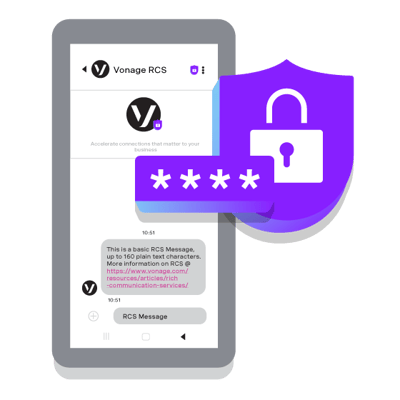
Branded calling shows your company name, logo, and call reason on the customer’s lock screen, helping increase answer rates, reduce fraud risk, and reinforce brand recognition across voice interactions.
 get ready to own your brand
Common challenges in multilingual support and how voice APIs solve them
Language barriers in customer support
When customers cannot interact in their preferred language, frustration rises and resolution slows. Voice APIs address this by enabling real time language support and translation within a single voice interaction, even when automated systems and human agents operate in different languages.
Inconsistent customer experiences across regions
Disconnected voice systems, region specific builds, and inconsistent text to speech voices lead to fragmented interactions. Voice APIs centralize voice behavior and customization, allowing custom AI voices to remain consistent while still supporting localized voice interactions.
Difficulty creating localized voice applications
Building and maintaining separate applications for each language is time consuming and expensive. Voice APIs eliminate this duplication by separating language handling and voice interaction localization from core application logic.
Limited custom voice options and translation capabilities
Many organizations struggle to find flexible voice solutions that support both brand consistency and real time language handling. Modern voice APIs solve this by combining custom AI voices, speech recognition, translation, and text to speech within a unified platform.
By addressing these challenges together, voice APIs make multilingual CX more scalable, predictable, and easier to evolve over time.
How to deploy multilingual support with voice APIs
Deploying multilingual support with voice APIs works best when voice, language, and customer experience are designed together rather than layered on later. A structured approach helps you avoid fragmented implementations while keeping custom AI voices consistent as you scale.
The process starts with understanding where language impacts the customer journey most. High volume support lines, onboarding flows, and self service interactions are often the best candidates because they benefit immediately from real time language support.
A practical deployment flow typically includes the following steps:
Identify priority languages based on customer demand and support volume
Define voice requirements such as tone, pacing, and pronunciation standards
Configure voice APIs to handle language detection and routing
Enable real time translation and speech recognition where needed
Apply voice interaction localization rules for each market
Test interactions with native speakers before expanding coverage
Voice APIs make this approach scalable because language handling and voice behavior are managed centrally. You are not rebuilding applications for each region. Instead, you are extending the same voice experience into new markets with localized adjustments.
When custom AI voices are introduced at this stage, they become part of the foundation rather than an add on. This helps ensure that multilingual support improves customer experience instead of introducing inconsistency or operational complexity.
Examples of localized voice interactions using custom AI voices
The following examples are hypothetical scenarios designed to show how custom AI voices and voice APIs might be applied in real world contexts.
Global ecommerce customer support
A global ecommerce brand supports customers across multiple regions with a single support number. Using voice APIs with multilingual support, callers are automatically greeted in their preferred language. The same approach to custom AI voices is used across regions, with localized pronunciation and phrasing applied dynamically.
Why it matters
Customers experience a consistent brand voice regardless of location, while the business avoids maintaining separate voice applications for each market. This improves customer experience across languages and simplifies global customer support operations.
Financial services onboarding assistant
A digital financial services provider uses a voice-based onboarding assistant to guide new customers through account setup. Voice interaction localization allows the assistant to adjust conversational flow based on language norms, while real time translation supports customers who switch languages mid-call.
Why it matters
The onboarding experience feels natural rather than scripted, which helps reduce confusion during high trust interactions. Brand consistent custom AI voices reinforce credibility while multilingual support expands accessibility.
Travel and hospitality booking flow
A hospitality brand embeds voice calling directly into its mobile app and website. Customers can ask questions, modify bookings, or request support using localized voice interactions powered by custom AI voices. If a request becomes complex, the call is routed to a live agent without changing the voice experience.
Why it matters
Voice APIs allow the brand to blend automated and human support seamlessly. Customers feel continuity throughout the interaction, which helps maintain trust and reduces friction during time sensitive travel scenarios.
Across all three scenarios, the value comes from combining custom AI voices, multilingual support, and real-time language handling in a single voice strategy rather than treating them as separate features.
What to look for in an API solution for custom AI voices
Choosing the right API solution determines how well custom AI voices perform as you scale multilingual support. Beyond basic calling features, the platform should help you maintain voice quality, brand consistency, and flexibility across regions.
A strong solution starts with multilingual support seamlessly integrated into the core platform. Language detection, routing, and speech recognition should work together without requiring separate integrations for each market. This makes it easier to expand localized voice interactions without increasing operational complexity.
Custom voice control is equally important. The API should support brand-consistent custom AI voices with the ability to adjust tone, pacing, pronunciation and local dialects. This ensures your voice interactions remain recognizable and intentional across languages.
Real time language handling is another key requirement. Look for solutions that support real time translation and seamless transitions between automated systems and live agents. This capability is critical for global customer support environments where conversations rarely follow a single language path.
Other capabilities to evaluate include:
Global voice coverage with reliable call quality
Programmable controls for WebRTC and PSTN calling
Integration with AI tools such as speech recognition and conversational AI
Centralized management for updates and localization changes
The table below highlights how these capabilities support scalable multilingual CX.
Capability
Why It Matters
Multilingual support
Enables global voice interactions from a single platform
Custom AI voices
Preserves brand identity across languages
Real time translation
Supports dynamic, multilingual conversations
Voice APIs
Reduce development and maintenance overhead
Localization controls
Improve natural speech and cultural relevance
An API solution that brings these elements together allows custom AI voices to evolve alongside your business. When voice infrastructure is flexible and centralized, multilingual support becomes a growth enabler rather than a constraint.
How Vonage supports multilingual CX with voice APIs
Vonage Communications APIs provide the foundation for building multilingual voice experiences that scale without sacrificing quality or brand consistency. Rather than treating voice as a standalone channel, the Voice API integrates voice interactions into broader customer experience workflows.
With programmable support for WebRTC and PSTN calling, the Voice API allows you to design voice interactions that adapt to user context in real time. This flexibility makes it easier to deploy custom AI voices across regions while maintaining consistent tone, pacing, and pronunciation.
Multilingual support is built directly into the platform. Automatic speech recognition enables real-time language detection and self-service voice interactions even when live agents are unavailable. When conversations become more complex, voice interactions can transition smoothly from automation to human support without disrupting the experience.
Vonage supports AI driven voice experiences through integrations with conversational AI and generative and agentic AI tools, and AI Studio. This allows teams to design and deploy natural language voice interactions using low code tools, or to integrate third party AI services in real time through WebSockets. The result is greater control over how custom AI voices behave across automated and assisted interactions.
Global voice quality is another critical factor. Vonage Voice API runs on a reliable, carrier-grade network with per second billing, helping businesses scale multilingual CX while keeping performance predictable and costs aligned to usage.
Explore how programmable voice APIs can support localized, brand consistent customer interactions across global markets.
Bringing it all together with scalable voice strategy
Custom AI voices, multilingual support, and voice APIs work best when they are treated as a unified strategy rather than individual features. When voice interactions are designed with scale in mind, it becomes easier to balance global reach with local relevance.
A well implemented voice strategy allows you to introduce new languages, markets, and interaction types without reworking your entire system. Custom AI voices help preserve brand consistency, while voice APIs handle real time language support, routing, and localization behind the scenes. This combination reduces operational strain and creates a more predictable path for growth.
For organizations managing global customer support, this approach also creates flexibility. Automated voice interactions can handle common requests in multiple languages, while live agents step in when needed without disrupting the experience. Over time, voice interactions become smarter, more adaptive, and easier to optimize.
Vonage Voice API supports this model by providing programmable voice capabilities, built in multilingual support, and AI enablement through integrations and tools like AI Studio. Whether you are modernizing existing voice workflows or building new ones from scratch, a flexible API driven approach helps future proof your multilingual CX strategy.
Sign up now
Was this helpful? Let's continue your API journey
Don't miss our quarterly newsletter to see how Vonage Communications APIs can help you deliver exceptional customer engagement and experiences on their favorite channels.

Thanks for signing up!
Be on the lookout for our next quarterly newsletter, chock full of information that can help you transform your business.
Frequently asked questions about multilingual voice APIs
Custom AI voices are used to deliver voice interactions that sound consistent and natural across languages. They help reduce language barriers while maintaining brand tone in global customer support, virtual assistants, and automated self service experiences.
Voice APIs centralize language detection, translation, routing, and voice delivery. This allows businesses to support multiple languages through a single platform instead of managing separate systems for each region.
Yes. Custom AI voices can be combined with real time translation so conversations adapt dynamically while preserving tone, pacing, and clarity across languages.
Localized voice interactions feel more natural because they account for pronunciation, cultural phrasing, and conversational flow, not just translated words. This helps customers feel understood and reduces friction.
They are. Custom AI voices can be used in automated voice bots, self service flows, and transitions to live agents without changing the overall voice experience.
Businesses should focus on centralized voice APIs, consistent custom AI voices, and flexible language handling that allows new markets to be added without reworking core systems.
Multilingual support reduces reliance on language specific staffing and improves responsiveness by allowing customers to interact in their preferred language at any point in the conversation.